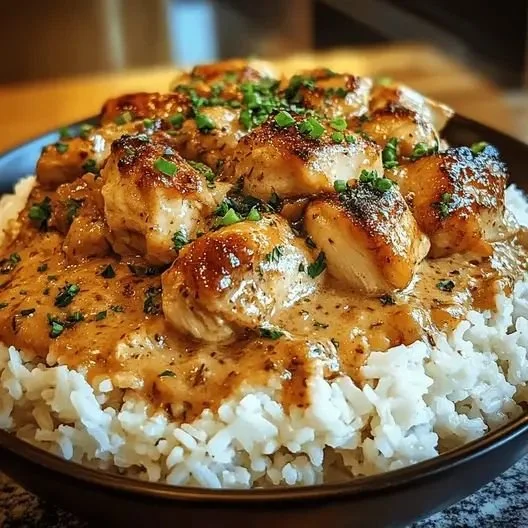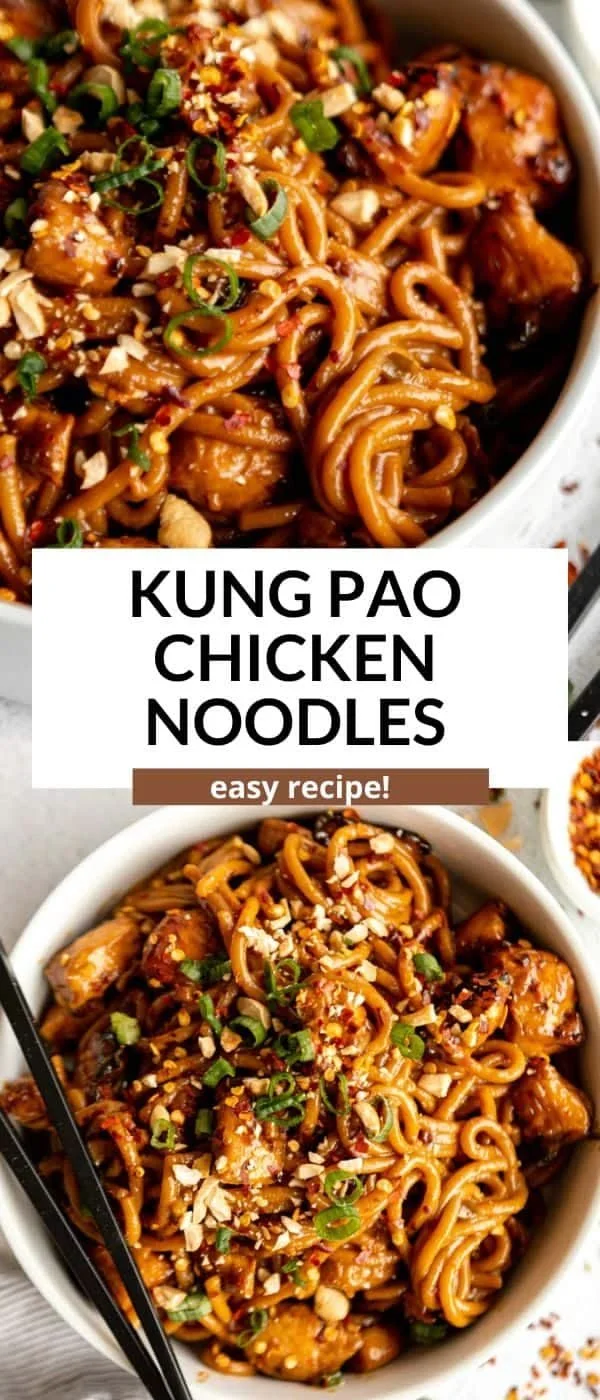
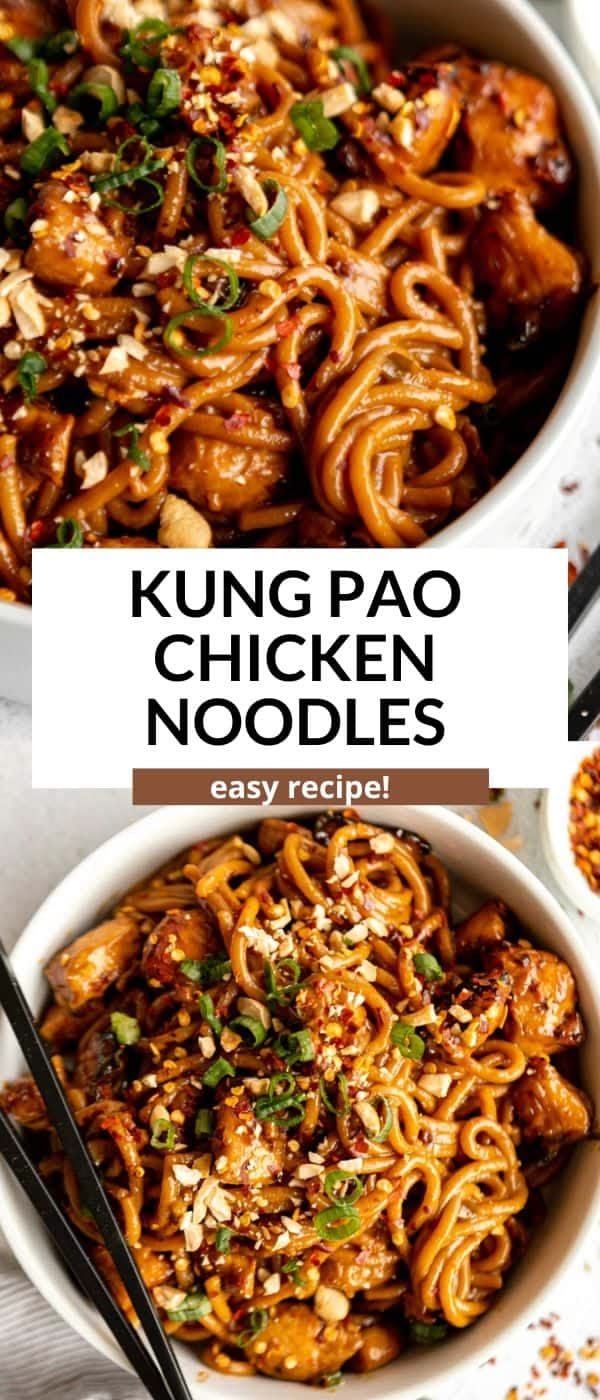
Kung Pao Chicken Noodles are a delightful and savory dish that combines tender chicken, crisp vegetables, and perfectly cooked noodles in a rich and flavorful sauce. This recipe brings together the essence of classic stir-fry with an enticing blend of textures and tastes, making it a fantastic choice for busy weeknights or casual get-togethers.
Why You’ll Love Kung Pao Chicken Noodles
- Quick and Easy: This recipe takes under 30 minutes from start to finish, making it perfect for busy evenings when you want a home-cooked meal without the fuss.
- Customizable: You can easily swap ingredients based on your preferences, whether it’s changing proteins, adding different veggies, or adjusting the spice level.
- Flavorful and Satisfying: The combination of hoisin sauce, soy sauce, and sesame oil results in a deliciously rich sauce that coats the noodles and veggies beautifully.
- High-Protein and Wholesome: Packed with lean chicken and fresh vegetables, this dish is balanced and filling, providing essential nutrients without compromising on flavor.
- Perfect for Meal Prep: Make a big batch and enjoy leftovers for lunch or dinner throughout the week; it reheats well, preserving the flavors and textures.
Recipe Overview
- Prep Time: 10 minutes
- Cook Time: 15 minutes
- Total Time: 25 minutes
- Servings: 4
- Difficulty Level: Easy
Ingredients You’ll Need for Kung Pao Chicken Noodles
- For the Noodles:
- 8 oz egg noodles or rice noodles
- For the Stir-Fry:
- 1 lb chicken breast, diced
- 1 bell pepper, diced (any color)
- 1 cup snap peas or green beans
- 3 green onions, chopped
- 1/4 cup roasted peanuts
- For the Sauce:
- 3 tablespoons soy sauce
- 2 tablespoons hoisin sauce
- 1 tablespoon rice vinegar
- 2 teaspoons sesame oil
- 2 cloves garlic, minced
- 1 teaspoon ginger, minced
- 1 teaspoon red pepper flakes (optional)
- Salt and pepper to taste
Note: If you prefer a gluten-free option, substitute soy sauce with tamari. For a vegetarian version, swap chicken with tofu or tempeh.
How to Make Kung Pao Chicken Noodles
-
Cook the Noodles:
Prepare the noodles according to package instructions. Drain and set aside, ensuring they don’t stick together. -
Sauté the Chicken:
In a large skillet over medium-high heat, pour in the sesame oil. Once the oil is hot, add the diced chicken. Cook until browned and no longer pink in the center, typically about 5-7 minutes. -
Add Aromatics:
Stir in the minced garlic, ginger, and red pepper flakes (if using). Sauté for about a minute until fragrant, making sure not to burn the garlic. -
Incorporate the Vegetables:
Add the diced bell pepper and snap peas to the skillet. Stir-fry for 3-4 minutes until the veggies are tender-crisp yet vibrant in color. -
Mix the Sauce:
In a small bowl, combine the soy sauce, hoisin sauce, and rice vinegar. Pour this mixture over the chicken and vegetables in the skillet, stirring to coat everything evenly. -
Add the Noodles:
Gently toss the cooked noodles into the skillet, mixing until they’re well-coated with the sauce and heated through. -
Finish with Toppings:
Stir in the chopped green onions and roasted peanuts just before serving, adding a nice crunch and freshness. -
Season to Taste:
Adjust seasoning with salt and pepper as desired. -
Serve Hot:
Plate the dish, serve immediately, and enjoy the wonderful flavors!
Tips for Success
- Don’t Overcook the Chicken: Ensure the chicken is cooked just until no longer pink to keep it tender and juicy.
- Preheat Your Pan: A hot skillet allows for a good sear on the chicken and ensures vegetables are quickly cooked while retaining their crunch.
- Prepare All Ingredients First: Having everything prepped ahead makes the cooking process smoother and speeds up your meal prep time.
- Don’t Skip the Sauce: The sauce is key to the flavor; make sure to thoroughly combine it and adjust it to your taste if needed before adding the noodles.
- Serve Immediately: For the best texture and flavor, serve the dish right after cooking, as it may become soggy if left for too long.
Easy Variations
- Protein Swap: Replace chicken with shrimp, beef, or tofu for a different twist.
- Vegetarian Delight: Use a combination of mushrooms and additional vegetables, like zucchini or broccoli, for a hearty, meatless option.
- Spice Adjustment: For a milder dish, omit the red pepper flakes. To increase the heat, add a bit of sriracha or chili paste.
- Noodle Choices: Substitute rice noodles with whole grain or gluten-free pasta for dietary preferences.
- Add More Veggies: Increase the veggie content by adding carrots, broccoli, or bell peppers for extra color and nutrition.
What to Serve with Kung Pao Chicken Noodles
- Steamed Rice: A classic side that complements the dish perfectly, absorbing the flavorful sauce.
- Spring Rolls: Light and crispy, spring rolls add an enjoyable crunch alongside the savory noodles.
- Cucumber Salad: A refreshing cucumber salad with vinegar dressing can balance the richness of the dish.
- Egg Drop Soup: A warm bowl of egg drop soup pairs well for a comforting meal.
- Edamame: Lightly salted edamame makes for a great appetizer to begin your meal.
Storage and Reheating
- Refrigerator Storage: Store leftovers in an airtight container in the refrigerator for up to 3-4 days.
- Freezer Storage: While best fresh, you can freeze leftovers for up to a month. Thaw overnight in the fridge before reheating.
- Best Reheating Method: Reheat in a skillet over low heat, adding a splash of water or broth to help revive the dish without overcooking.
- Preserve Texture: Avoid microwave reheating if possible as it can make the noodles mushy; stovetop is recommended for better texture.
- Meal Prep Note: This dish makes excellent meal prep; cook it in bulk and divide into single portions for an easy lunch or dinner option.
Common Mistakes to Avoid
- Overcooking the Noodles: Cook them just until al dente; they will continue to cook when mixed with the stir-fry.
- Crowding the Pan: If making a larger batch, stir-fry in batches to ensure everything cooks evenly and has a chance to brown properly.
- Not Adjusting Sauce: Taste the sauce before adding it to the dish; tweaking it can make a big difference in flavor.
- Skipping the Sesame Oil: This ingredient adds a distinctive flavor to the dish, so don’t omit it if possible.
- Using Unsalted Peanuts: Always opt for roasted, salted peanuts for added flavor and texture contrast.
Kung Pao Chicken Noodles: Background & Cultural Inspiration
Kung Pao Chicken hails from Sichuan Province in China, boasting a rich history and vibrant flavors. Traditionally, the dish features chopped chicken stir-fried with peanuts and chilies, emphasizing the bold, spicy profile that Sichuan cuisine is known for. The combination of the sweet, sour, and salty elements in this dish reflects the complex flavor balance cherished in Chinese cooking. With the addition of noodles, this recipe presents a bustling street food twist, making it widely adaptable and loved by many across the globe.
Frequently Asked Questions
Can I use other types of noodles for this recipe?
Yes, you can use rice noodles, udon, or any pasta you prefer! Just make sure to adjust the cooking time according to the type you choose.
Can I make Kung Pao Chicken Noodles ahead of time?
Absolutely! You can prepare it in advance and store it in the refrigerator. Just make sure to reheat it gently to maintain the texture.
How spicy is this dish?
The spice level can be adjusted to your liking by modifying the amount of red pepper flakes and choosing the type of hot sauce you use. For milder flavors, feel free to skip the heat altogether.
What are some good substitutions for the chicken?
To keep it plant-based, try tofu, tempeh, or even chickpeas for added protein. You can also use beef or shrimp for a different flavor profile.
How can I store leftovers properly?
Store any leftovers in an airtight container in the refrigerator for 3-4 days. When reheating, do so on the stovetop for the best results.
Final Thoughts
Kung Pao Chicken Noodles offer a delicious and satisfying meal option that combines easy cooking with robust flavors. Whether you’re searching for a quick weeknight dinner or a way to impress guests, this recipe is a fantastic choice. Packed with protein and vegetables, it’s not only flavorful but also versatile, making it suitable for various dietary needs. So why not give it a try and enjoy a homemade dish that brings a taste of the Far East right to your kitchen?
PrintKung Pao Chicken Noodles
A delightful and savory dish that combines tender chicken, crisp vegetables, and perfectly cooked noodles in a rich and flavorful sauce.
- Prep Time: 10 minutes
- Cook Time: 15 minutes
- Total Time: 25 minutes
- Yield: 4 servings
- Category: Main Course
- Method: Stir-frying
- Cuisine: Chinese
- Diet: Gluten-Free Option, High-Protein
Ingredients
- 8 oz egg noodles or rice noodles
- 1 lb chicken breast, diced
- 1 bell pepper, diced (any color)
- 1 cup snap peas or green beans
- 3 green onions, chopped
- 1/4 cup roasted peanuts
- 3 tablespoons soy sauce
- 2 tablespoons hoisin sauce
- 1 tablespoon rice vinegar
- 2 teaspoons sesame oil
- 2 cloves garlic, minced
- 1 teaspoon ginger, minced
- 1 teaspoon red pepper flakes (optional)
- Salt and pepper to taste
Instructions
- Prepare the noodles according to package instructions. Drain and set aside, ensuring they don’t stick together.
- In a large skillet over medium-high heat, pour in the sesame oil. Once the oil is hot, add the diced chicken. Cook until browned and no longer pink in the center, typically about 5-7 minutes.
- Stir in the minced garlic, ginger, and red pepper flakes (if using). Sauté for about a minute until fragrant, making sure not to burn the garlic.
- Add the diced bell pepper and snap peas to the skillet. Stir-fry for 3-4 minutes until the veggies are tender-crisp yet vibrant in color.
- In a small bowl, combine the soy sauce, hoisin sauce, and rice vinegar. Pour this mixture over the chicken and vegetables in the skillet, stirring to coat everything evenly.
- Gently toss the cooked noodles into the skillet, mixing until they’re well-coated with the sauce and heated through.
- Stir in the chopped green onions and roasted peanuts just before serving, adding a nice crunch and freshness.
- Adjust seasoning with salt and pepper as desired.
- Plate the dish, serve immediately, and enjoy the wonderful flavors!
Notes
For a gluten-free option, substitute soy sauce with tamari. For a vegetarian version, swap chicken with tofu or tempeh.