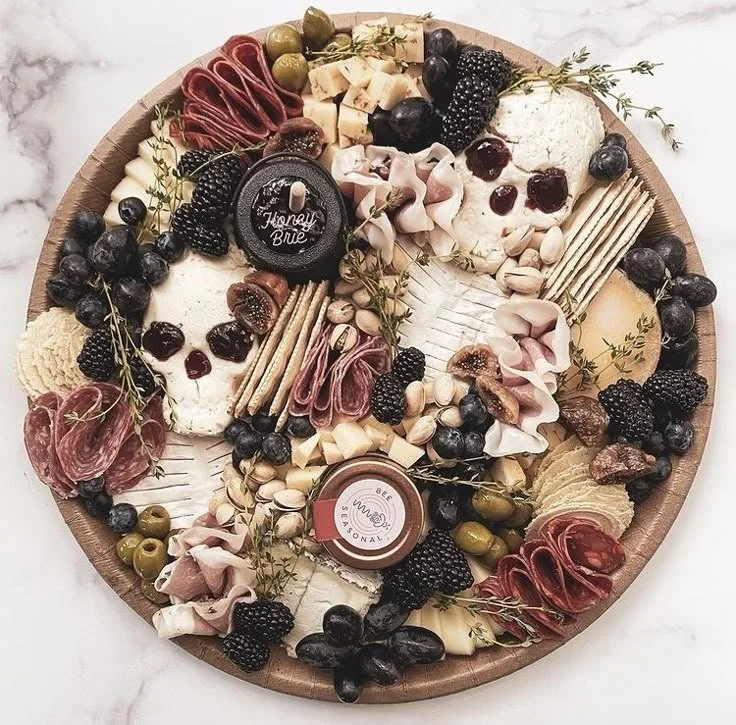
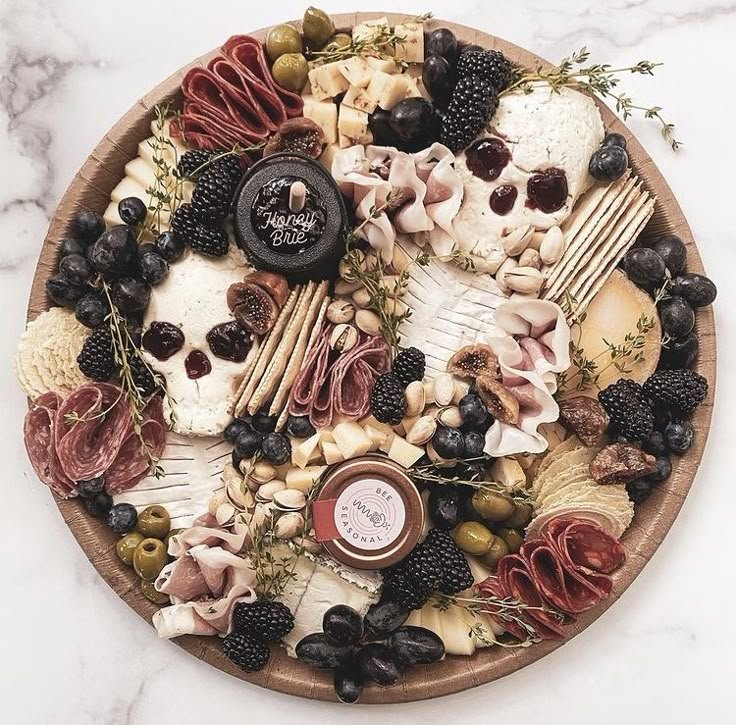
Making a delicious Charcuterie Platter with Meats, Cheeses, and Olives is a fantastic way to impress your guests or simply elevate your next snack time. This recipe is visually stunning and allows for endless customization, making it perfect for any occasion, whether it’s a casual gathering or a festive celebration.
Why You’ll Love Charcuterie Platter with Meats, Cheeses, and Olives
- Endless Customization: You can choose your favorite meats, cheeses, and accompaniments to create a unique platter that suits your taste or dietary needs.
- No Cooking Required: This makes it perfect for beginners or anyone short on time—just assemble and enjoy!
- Great for Entertaining: A well-arranged charcuterie platter serves as a stunning centerpiece for parties, fostering conversation and engagement among guests.
- Balance of Flavors: Combining salty meats, creamy cheeses, and tangy olives creates a delightful mix of flavors and textures that everyone will love.
- Meal Prep Friendly: You can prepare items in advance, making it easy to put together when guests arrive or for a quick snack.
Recipe Overview
- Prep Time: 15 minutes
- Cook Time: 0 minutes
- Total Time: 15 minutes
- Servings: 4-6
- Difficulty Level: Easy
Ingredients You’ll Need for Charcuterie Platter with Meats, Cheeses, and Olives
- Cured Meats:
- Prosciutto
- Salami
- Chorizo
- Cheeses:
- Soft cheese (like Brie or Camembert)
- Hard cheese (like Cheddar or Gouda)
- Blue cheese (optional)
- Olives:
- A mix of green and black olives
- Accompaniments:
- Crackers
- Breadsticks
- Fresh fruit (like grapes or figs)
- Nuts (like almonds or walnuts)
- Dried fruit (options like apricots or cranberries)
How to Make Charcuterie Platter with Meats, Cheeses, and Olives
-
Gather Your Ingredients: Collect all the meats, cheeses, olives, and accompaniments you wish to include on your platter. Select a large wooden board or a large platter to serve as your base.
-
Arrange the Meats: Lay out your cured meats first. Fold or roll them for visual interest, grouping them together in one or two sections of your platter.
-
Add the Cheeses: Place your cheeses next to the meats. Cut the hard cheese into triangles or cubes and leave soft cheeses whole or cut into wedges. Consider using small cheese knives to allow guests to serve themselves.
-
Incorporate the Olives: Fill small bowls with olives and place them next to the cheese. This keeps them contained and adds color to your platter.
-
Fill in with Accompaniments: Surround the meats, cheeses, and olives with an array of crackers, breadsticks, fresh fruits, and nuts. Aim for a balanced look by mixing colors and textures for visual appeal.
-
Final Touches: Drizzle olive oil over any areas you want to highlight, or sprinkle fresh herbs for added flavor and color. Use little labels if necessary, to help guests identify different cheeses and meats.
Tips for Success
- Choose Quality Ingredients: The flavors stand out better with high-quality meats and cheeses, so opt for fresh, flavorful options.
- Balance Flavors: Mix flavors and textures—combine creamy, sharp, sweet, salty, and tangy items to create a well-rounded platter.
- Presentation Matters: Take your time arranging the ingredients to create an appealing layout. Use varying heights with different bowls and cut items.
- Keep It Fresh: Add perishable items like soft cheese or fresh fruit as close to serving time as possible to maintain freshness.
Easy Variations
- Spice It Up: Include spicy meats like pepperoni or even slices of chorizo for a little heat.
- Seasonal Flair: Incorporate seasonal fruits (like berries in summer or apples in fall) for fresh flavor and color.
- Vegan Option: Replace meats with plant-based options like smoked tofu or marinated seitan, and use vegan cheese alternatives.
- Add Veggies: Include fresh vegetables such as cherry tomatoes, bell pepper strips, or pickled vegetables for extra crunch and variety.
- International Twist: Try incorporating cheeses and meats from other cultures, like smoked Gouda, prosciutto, and feta.
What to Serve with Charcuterie Platter with Meats, Cheeses, and Olives
- Wine: A nice red or white wine pairs beautifully with most charcuterie items and elevates the overall experience.
- Beer: For a casual feel, serve craft beers that complement the flavors of the meats and cheeses.
- Fresh Baguette: Include slices of crusty baguette to let guests build their own flavor combinations.
- Dip Options: Hummus or a rich olive tapenade can enhance the dipping experience, especially with crackers and veggies.
Storage and Reheating
- Refrigerator Storage: Store leftover items in airtight containers to maintain freshness for up to two days.
- Freezer Storage: While not ideal for most elements on the platter, if you have leftover cheeses or cured meats, they can be frozen—though the texture might change after thawing.
- Best Reheating Method: Most items are not meant to be reheated. For leftover breadsticks or crackers, you can crisp them in a toaster oven.
- Preserve Texture: Keep soft cheeses sealed and be cautious with moisture in containers to avoid spoiling.
Common Mistakes to Avoid
- Overcrowding: Don’t overcrowd your platter; leave space for items to breathe and be easily accessible.
- Ignoring Temperature: Make sure to take items out of the fridge a few minutes before serving for the best taste and texture.
- Neglecting Labeling: Forgetting to label unique cheeses and meats can confuse guests; labels can enhance their experience.
- Not Balancing Flavors: Focusing only on salty items might overwhelm; be sure to include sweet or creamy choices to balance.
Charcuterie Platter with Meats, Cheeses, and Olives: Background & Cultural Inspiration
Charcuterie, originating from France, has evolved into an artful display of cured meats and accompaniments. Traditionally, this method of preservation allowed butchers to make use of every part of the animal, showcasing skilled preparation techniques. In recent times, charcuterie boards have grown in popularity for their versatility and the social element they bring to gatherings. Each platter tells a unique story, reflecting regional ingredients and personal preferences, making them a culinary canvas where creativity flourishes.
Frequently Asked Questions
Can I make a charcuterie platter ahead of time?
Yes, you can prepare the meats, cheeses, and accompaniments in advance. Assemble everything just before serving to maintain freshness.
What types of cheeses work best?
Soft cheeses like Brie, hard cheeses such as Cheddar, and tangy options like blue cheese all work well to complement meats.
How should I store leftovers?
Keep leftovers in airtight containers in the refrigerator. Consume within two days for the best quality.
Are there gluten-free options?
Absolutely! Use gluten-free crackers or fresh veggies as an alternative to bread and crackers.
Can I include hot items on my platter?
While charcuterie platters are traditionally served cold, you can include warm items such as baked cheese or stuffed peppers for added variety.
Final Thoughts
A Charcuterie Platter with Meats, Cheeses, and Olives is a delightful way to enjoy great flavors in a visually appealing presentation. It’s simple, customizable, and perfect for any occasion. Whether for a gathering or a cozy night in, this platter will surely impress. So gather your favorite ingredients, let your creativity shine, and savor the joy of sharing good food with friends and family!
PrintCharcuterie Platter with Meats, Cheeses, and Olives

Create a stunning charcuterie platter filled with your favorite meats, cheeses, and olives for an impressive and customizable snack.
- Prep Time: 15 minutes
- Cook Time: 0 minutes
- Total Time: 15 minutes
- Yield: 4-6 servings
- Category: Appetizer
- Method: No Cooking
- Cuisine: French
- Diet: Vegetarian
Ingredients
- Cured Meats:
- Prosciutto
- Salami
- Chorizo
- Cheeses:
- Soft cheese (like Brie or Camembert)
- Hard cheese (like Cheddar or Gouda)
- Blue cheese (optional)
- Olives:
- A mix of green and black olives
- Accompaniments:
- Crackers
- Breadsticks
- Fresh fruit (like grapes or figs)
- Nuts (like almonds or walnuts)
- Dried fruit (options like apricots or cranberries)
Instructions
- Gather your ingredients: Collect all the meats, cheeses, olives, and accompaniments you wish to include on your platter. Select a large wooden board or a large platter to serve as your base.
- Arrange the meats: Lay out your cured meats first. Fold or roll them for visual interest, grouping them together in one or two sections of your platter.
- Add the cheeses: Place your cheeses next to the meats. Cut hard cheese into triangles or cubes and leave soft cheeses whole or cut into wedges. Consider using small cheese knives to allow guests to serve themselves.
- Incorporate the olives: Fill small bowls with olives and place them next to the cheese. This keeps them contained and adds color to your platter.
- Fill in with accompaniments: Surround the meats, cheeses, and olives with an array of crackers, breadsticks, fresh fruits, and nuts. Aim for a balanced look by mixing colors and textures for visual appeal.
- Final touches: Drizzle olive oil over any areas you want to highlight, or sprinkle fresh herbs for added flavor and color. Use little labels if necessary, to help guests identify different cheeses and meats.
Notes
Choose quality ingredients and balance flavors for the best experience. Ensure presentation is appealing and consider adding labels for identification.